
The relationship between light and architecture is a subtle dance, and crystal chandeliers have long been one of the most captivating partners. In the world of interior design, the proper lighting technique can amplify a room’s architectural features, enhancing elements such as vaulted ceilings, ornate moldings, and expansive entryways.
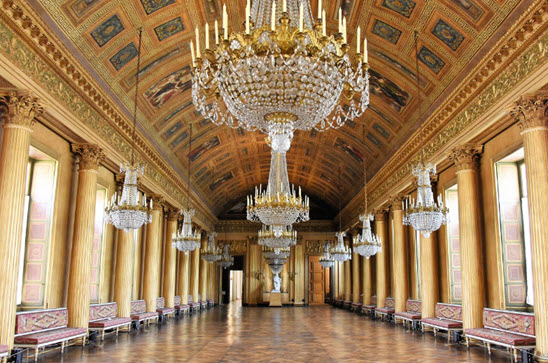
When placed with precision, crystal chandeliers not only illuminate but also highlight the contours and textures of a space, creating a balance between light, shadow, and structure that feels both cohesive and grand.
Uplighting and Downlighting: Accentuating Dimensions
One of the most effective lighting techniques used with crystal chandeliers is the careful mix of uplighting and downlighting. In grand rooms with high ceilings, uplighting creates a soft halo that directs light upwards, illuminating intricate architectural details such as arches and cornices. This approach enhances a room’s height, emphasizing the vertical space while creating a luxurious, almost ethereal ambiance.
Downlighting, on the other hand, is ideal for drawing attention to specific areas below the chandelier, such as a dining table, reception desk, or central seating area. This dual lighting approach allows designers to create an immersive environment where every architectural element is subtly highlighted without overwhelming the space. For example, a crystal chandelier with adjustable downlights can illuminate the center of a room while casting gentle light up toward high ceilings, creating a layered lighting effect that adds depth.
Reflective Lighting: Enhancing Texture and Color
Crystal chandeliers are particularly suited to reflective lighting techniques because of the unique way crystals refract and reflect light. When strategically placed, a crystal chandelier can throw light across walls and ceilings in a way that enhances the texture of plasterwork, wood paneling, or even marble. This technique is especially useful in heritage buildings where the play of light against texture brings an additional layer of elegance and intrigue to architectural features.
For instance, in historic settings with murals or intricate carvings, the chandelier’s reflections highlight these elements, allowing them to shimmer subtly without the need for direct spotlights. Additionally, selecting crystals with varied cuts and shapes can affect how light is distributed, creating dynamic reflections that enhance color palettes and make materials like velvet, stone, or glass appear more vibrant.
Chandelier Placement as Architectural Framing
A well-placed chandelier does more than light a space; it frames the architecture around it. In spaces with symmetrical layouts, placing a crystal chandelier at the room’s midpoint accentuates the symmetry, drawing attention to the room’s balanced design. In contrast, asymmetrical placements can add a modern twist, framing unique architectural features like offset archways or staircases.
In theaters, where architectural detailing is often ornate, a centered chandelier can serve as an anchor, tying the room’s visual elements together. In more contemporary spaces, placing multiple chandeliers along a corridor or gallery can create a sense of movement, guiding the eye along architectural lines and enhancing the room’s flow.
Dimmers and Layered Lighting for Ambiance
In architectural spaces, lighting levels play a key role in setting the tone, and dimmable crystal chandeliers offer unparalleled flexibility. Using dimmers allows designers to transition the chandelier’s role from a focal light source to a gentle ambient glow, depending on the time of day or the event. For museums and theaters, this layered approach ensures that the chandelier complements the room’s purpose without overshadowing other elements.
When combined with accent lighting on other architectural details—such as sconces along a hallway or uplights beneath columns—dimmable chandeliers create a layered effect that emphasizes different aspects of the architecture. This interplay between light and shadow brings depth and warmth to spaces, making them feel inviting without losing their grandeur.